By Daytimes Safari
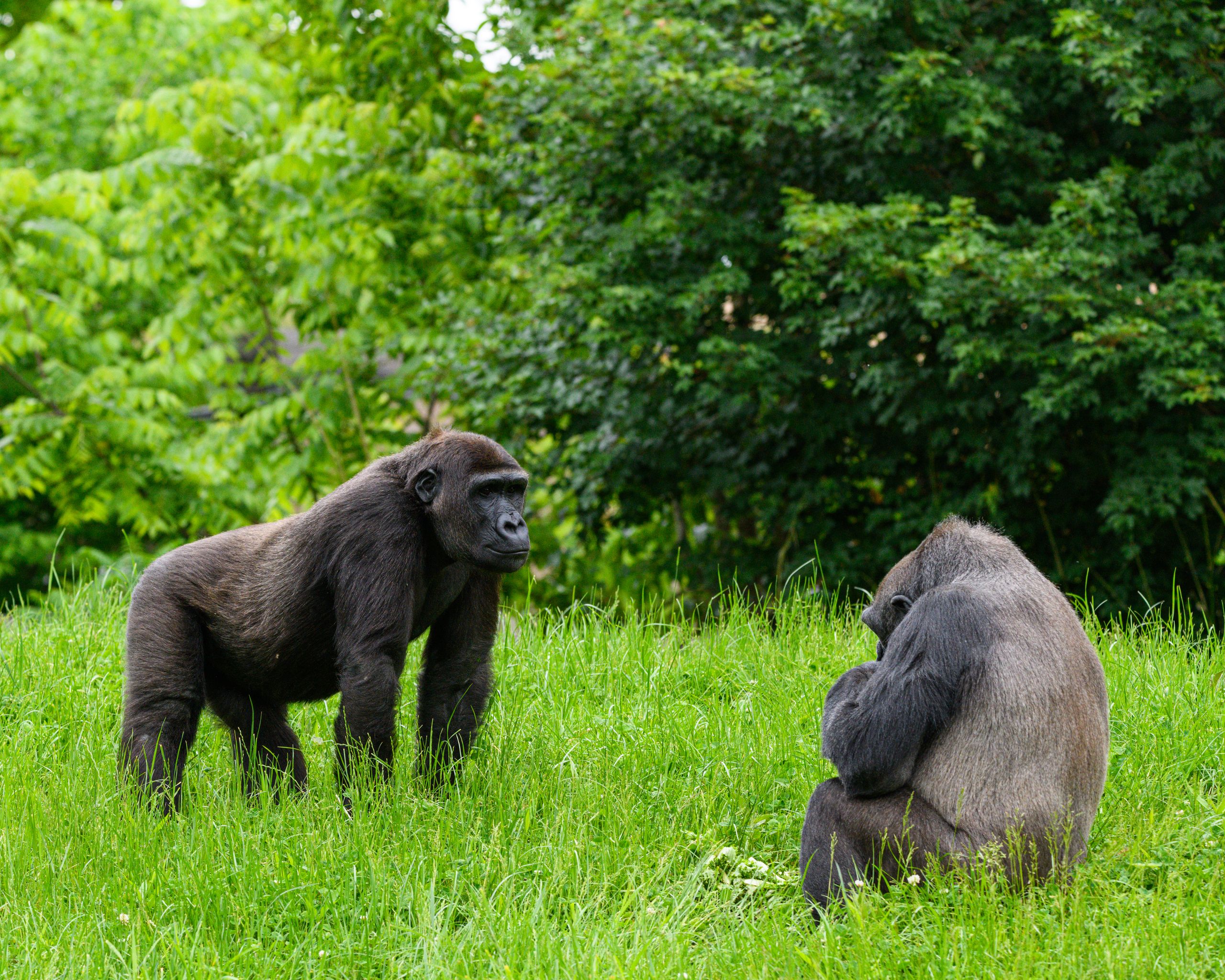
There are not many travel experiences that stop you in your tracks the way a wild mountain gorilla does. You push through dripping forest, your guide signals for silence, and then a silverback is simply there, a few metres away, calmly chewing on a stem and regarding you with an expression that feels almost human.
For most travellers, that moment is the highlight of an entire African journey. But it takes planning. Permits are limited, prices differ between countries, and the trek itself is a proper hike. If you are researching gorilla trekking in Uganda and Rwanda, this guide covers everything you need to decide: how the two countries compare, what permits cost, when to go, how fit you need to be, what to pack, and how to trek responsibly.
What Is Gorilla Trekking?
Gorilla trekking is a guided walk into high-altitude forest to find a habituated family of mountain gorillas, which are wild gorillas that have been gradually accustomed to the presence of people. Trackers go ahead early in the morning to locate the group, and your ranger-guide leads you to them.
When you reach the gorillas, you are allowed one hour in their company. It is a quiet, humbling hour, and almost everyone says it feels far too short.
Mountain gorillas are endangered, and only around a thousand remain in the wild, found in the Virunga Massif, which spans Rwanda, Uganda, and the Democratic Republic of Congo, and in Uganda’s Bwindi Impenetrable Forest. The permit fees you pay fund their protection and support the communities living around the parks.
Where Can You Trek? The Main Gorilla Parks
In Uganda
- Bwindi Impenetrable National Park: A UNESCO World Heritage Site and the most popular gorilla destination in Africa, with several trekking sectors (Buhoma, Ruhija, Rushaga, and Nkuringo) and many habituated gorilla families.
- Mgahinga Gorilla National Park: A smaller park on the border with Rwanda and the DRC, set among the Virunga volcanoes. Gorilla sightings here can be less predictable than in Bwindi.
In Rwanda
- Volcanoes National Park: Near the town of Musanze, in the north-west of the country. It is the Rwandan home of the mountain gorilla, and it is also where the legendary primatologist Dian Fossey carried out her research.
Trekking is also possible in the DRC’s Virunga National Park, but access depends on the security situation, so most travellers choose Uganda or Rwanda. Check current travel advice before considering anywhere else.
Uganda vs Rwanda: How the Gorilla Experience Differs
The gorillas are the same, and the experience of sitting with them is just as powerful in either country. What differs is the cost, the access, the terrain, and the wider trip.
| Uganda | Rwanda | |
|---|---|---|
| Parks | Bwindi, Mgahinga | Volcanoes National Park |
| Permit price (foreign non-resident) | Around $800, with a lower price reported for some low-season months | $1,500 |
| Access | Longer drives or a domestic flight from Entebbe or Kampala | Around 2 to 3 hours by road from Kigali |
| Terrain | Steep, dense, often muddy forest at altitude | Volcanic slopes with bamboo forest and farmland edges |
| Number of gorilla families | More families and sectors to choose from | Fewer families, with a strong conservation focus |
| Special options | Gorilla habituation experience (extended time with a group), chimpanzee tracking in Kibale | Golden monkey tracking, Dian Fossey hike, Akagera safari |
| Best for | Value, variety, and travellers combining gorillas with wider wildlife | Short trips, easy logistics, and a premium experience |
Cost vs convenience
Uganda is usually the better-value choice because the permit costs roughly half as much. Rwanda is the more convenient choice because you can fly into Kigali, drive to Volcanoes National Park, trek, and be back in the capital within a few days.
The terrain
Bwindi’s name is no accident: the forest is dense, steep, and often wet, and treks can be tough going. Volcanoes National Park can also be demanding, but many travellers find the paths slightly more open. In both countries, the difficulty depends on where the gorilla family you are assigned has chosen to go that day.
Gorilla Permits: What You Need to Know
You cannot trek without a permit, and permits are limited. Only a small number of visitors are allowed to visit each gorilla family per day, with groups usually capped at eight people, which protects the animals and keeps the experience special.
How much do permits cost?
- Uganda: Around $800 per person for foreign non-residents under the current tariff, with a reduced price reported for certain low-season months such as April, May, and November. East African residents and citizens pay far less, with proof required.
- Rwanda: $1,500 per person for international visitors.
- Gorilla habituation experience (Uganda only): Around $1,500 per person, for up to four hours with a gorilla family that is still being habituated.
Permit prices and tariff periods are set by the Uganda Wildlife Authority and the Rwanda Development Board, and they change from time to time. Always confirm the current price at the time of booking.
Booking tips
- Book early. For the dry seasons and holiday periods, secure your permit three to six months ahead, or even earlier if your dates are fixed.
- Use a licensed operator. A trusted tour company can book permits, accommodation, and transport together, and can manage changes if your plans shift.
- Check the rules on refunds and changes. Permits are often non-refundable, and date changes may be limited.
- Age limit. The minimum age to trek is 15 in both countries.
- Health requirements. You will not be allowed to trek if you have symptoms of a contagious illness, because gorillas are highly vulnerable to human diseases.
Best Time to Visit for Gorilla Trekking
Gorilla trekking is possible all year round in both Uganda and Rwanda, and the gorillas live in the same forest whatever the month. The real difference is how comfortable the trek is.
| Season | Months | What to expect |
|---|---|---|
| Long dry season | June to September | The most popular time. Paths are drier, less slippery, and easier, but permits sell out fastest. |
| Short dry season | December to February | Another good window, with generally drier trails and clearer views. |
| Long rains | March to May | Muddy, wet treks, fewer visitors, and lush forest. Some low-season permit discounts are reported in Uganda. |
| Short rains | October to November | Showers are common, but it can be a good time for savings and fewer crowds. |
Our advice: If comfort is your priority, aim for June to September or December to February. If you are flexible and on a budget, the rainy months can bring savings and quieter forests, as long as you are prepared for mud and good rain gear.
How Much Does a Gorilla Trekking Trip Cost?
The permit is the largest fixed cost, but it is only part of the picture. Your total budget will depend on:
- Permit price: $800 in Uganda versus $1,500 in Rwanda, per person
- Accommodation: From simple guesthouses to high-end lodges near the park
- Transport: Private vehicle with a driver-guide, or domestic flights to save time
- Trip length: A 3-day Rwanda trip can be very efficient, while Uganda usually needs more days because of the distances
- Extras: Porters, tips, meals, drinks, visas, and activities such as chimpanzee tracking or a Kenya or Tanzania safari
If you travel as a couple or a group, the cost of the vehicle is shared, which can lower the per-person price. Solo travellers should compare options carefully, because the shorter distances in Rwanda can sometimes offset its higher permit.
Tip: Hiring a porter at the start of the trek, typically for a modest fee, helps with carrying your bag and supports local families. Many trekkers consider it money very well spent.
How Fit Do You Need to Be?
Gorilla trekking is not a technical climb, but it is a real hike, often at altitude and on steep, slippery ground.
- Duration: Treks can last anywhere from about an hour to six hours or more, depending on where the gorillas are that day.
- Altitude: Trekking takes place at high elevation, roughly 2,000 to 3,000 metres or higher, so the air is thinner and you may tire quicker.
- Terrain: Expect steep slopes, tangled vegetation, mud, and stinging nettles.
A moderate level of fitness is usually enough, but it helps to prepare in the weeks before your trip with regular walking, hill climbs, and some stair training. Tell your guide or operator about any health concerns, and speak to your doctor before travelling if you have medical conditions.
If you worry about the physical side, ask about options such as porters or assisted carries, and request a gorilla family that is closer to the trailhead. Rangers assign groups based on fitness and preference where possible.
What to Pack for Gorilla Trekking
Clothing
- Long-sleeved shirts and long trousers in neutral colours, to protect against nettles and insects
- Waterproof jacket or poncho, since rain is possible in any month
- Warm layer for cold mornings
- Quick-dry socks and extra pairs
Footwear and gear
- Sturdy, broken-in hiking boots with good grip
- Gaiters, which help keep mud, water, and insects out
- Gardening or work gloves for gripping vines and branches
- Hat and sunglasses
- Small daypack with a rain cover
Essentials
- Plenty of drinking water and energy snacks
- Insect repellent and sunscreen
- Camera with a fast lens, and no flash, since flash is not allowed
- Binoculars for birds and primates
- Personal medication and a small first-aid kit
- Cash for tips and porters
- Face mask, since you may be asked to wear one near the gorillas
Gorilla Trekking Rules and Responsible Wildlife Tourism
Mountain gorillas share about 98 percent of their DNA with humans, which also means they can catch our illnesses. The rules you follow are there to protect them.
- Keep your distance. Stay at the minimum distance your guide specifies, and never touch a gorilla, even if it approaches you.
- Stay in a group. Follow the ranger’s instructions and move calmly.
- Keep your voice low. Speak softly, and don’t make sudden movements.
- No flash photography. It can startle the animals.
- Don’t eat or drink near the gorillas.
- Don’t trek if you are unwell. Cold and flu symptoms can be dangerous to gorillas.
- Handle waste responsibly. If you need to relieve yourself, tell your guide, and take all litter with you.
- Respect the one-hour limit. It reduces stress for the animals.
Travel responsibly beyond the forest
Choose operators and lodges that employ local people, support community projects, and put conservation first. Buy crafts directly from local artisans, and take time to visit community experiences such as cultural performances and village walks, which help ensure that communities benefit from conservation.
How to Prepare for the Experience
- Choose your country and dates. Decide between Uganda and Rwanda based on budget, time, and priorities.
- Secure your permit first. Then book lodging and transport around it.
- Check entry and health requirements. Visa rules, vaccinations, and travel advice change, so confirm them well before departure. Speak to a travel clinic about recommended vaccinations and malaria prevention.
- Get fit. Start walking and hill training at least a month or two before.
- Pack smart. Use the checklist above, and test your boots before the trip.
- Build in a buffer day. Give yourself a rest day before the trek and avoid tight flight connections afterwards.
- Set your expectations. Sightings are not guaranteed, but trekkers are almost always successful. The encounter is quiet and powerful, so keep your camera at your side and make sure you look up from the screen.
Combine Gorillas with a Classic Safari
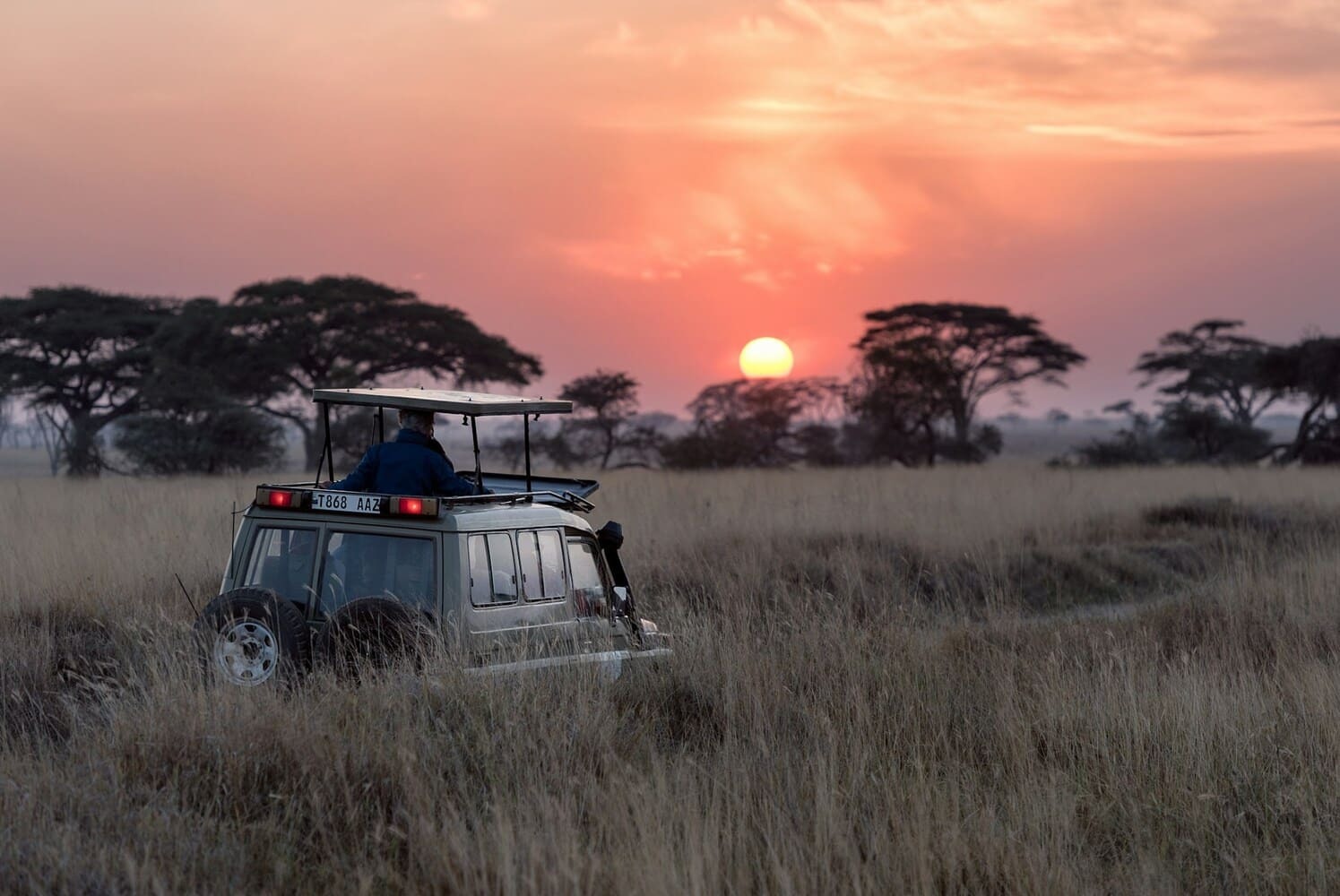
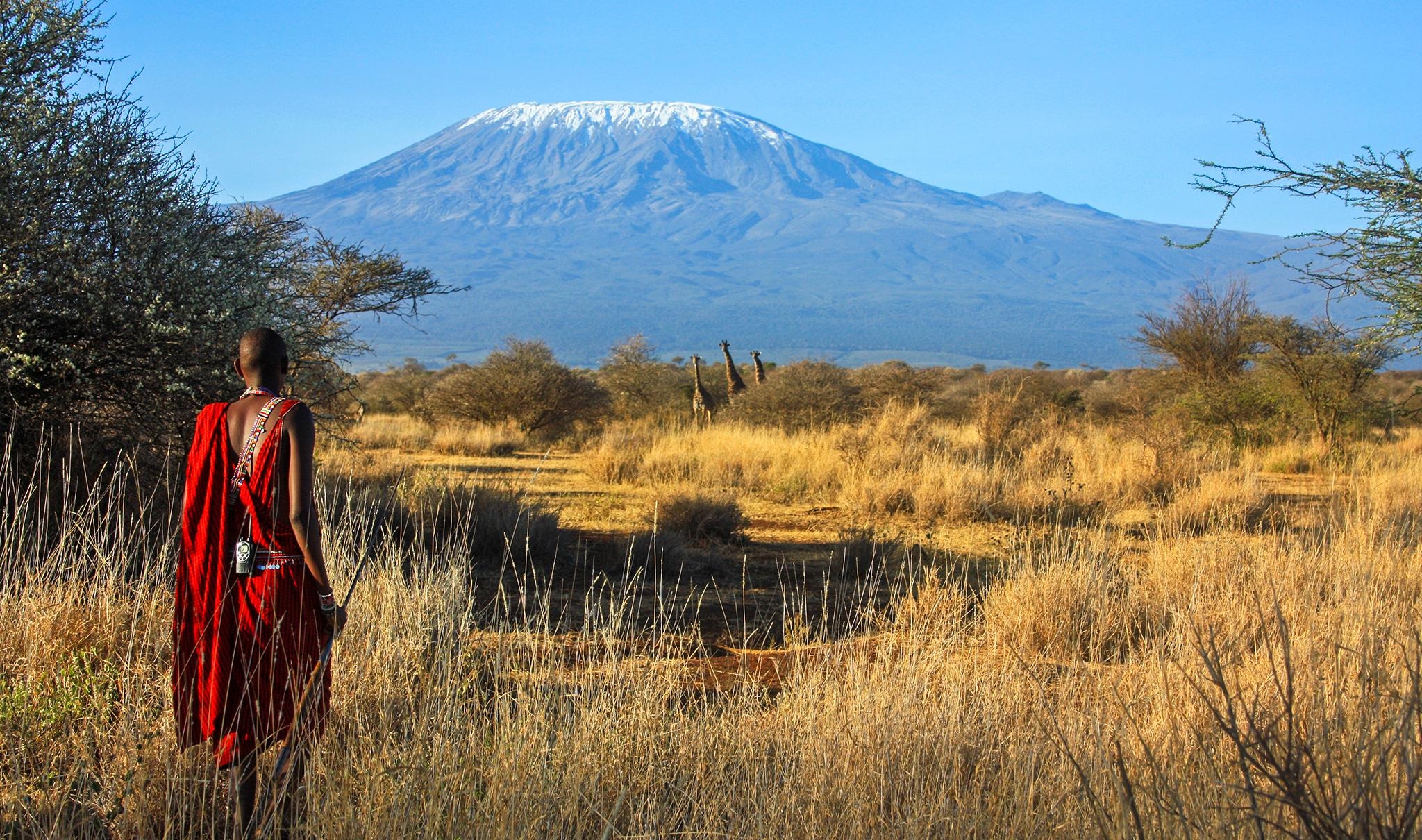
Many travellers pair gorilla trekking with a classic safari in Kenya or Tanzania for a complete East African journey: savannah wildlife and the Great Migration on one side, and forest primates on the other. If you are weighing up the options, our guides to the best safari destinations in Kenya and to Kenya vs Tanzania safaris can help you plan the savannah leg of your trip.
Frequently Asked Questions
Is gorilla trekking better in Uganda or Rwanda? Neither is better. Uganda offers lower permit prices, more gorilla families, and options like habituation, while Rwanda offers easier access and shorter transfers from the capital.
How much is a gorilla trekking permit? Around $800 in Uganda and $1,500 in Rwanda for international visitors, though prices and tariff periods can change, so confirm before you book.
What is the best time for gorilla trekking? June to September and December to February are the driest and most comfortable months. Trekking is possible all year.
How long do you spend with the gorillas? One hour with a habituated family on a standard trek. The Ugandan habituation experience allows up to four hours.
How difficult is gorilla trekking? It ranges from a short, moderate walk to a long, steep hike, depending on where the gorillas are. A reasonable level of fitness helps, and porters are available.
What is the minimum age for gorilla trekking? Fifteen years old in both Uganda and Rwanda.
Can I see gorillas in Kenya? Mountain gorillas do not live in Kenya, so travellers combine a Kenya safari with a gorilla trek in Uganda or Rwanda, which is easy to do on one trip.
Is gorilla trekking safe? Gorilla treks are led by experienced rangers, and incidents are rare. Follow your guide’s instructions, and check current travel advice for the region before you go.
Plan Your Gorilla Trek with Daytimes Safari
A gorilla trek is a once-in-a-lifetime experience, and the details matter: the right permit, the right dates, the right pace, and the right pairing with a wider safari. At Daytimes Safari, we help travellers plan journeys that put wildlife first and make every day count.
Tell us when you would like to travel and what you want to see, and we will help you shape an itinerary around the gorillas, and beyond.
Ready to start planning? Contact Daytimes Safari today for a tailored itinerary and a free quote.
Leave a Reply